
231 km of Direttissima link Florence and Rome in as little as 2 hours 6 minutes — the same corridor that opened, in 1977, as the first dedicated high-speed railway in Europe.
Before you get into operators and classes, it's worth settling the bigger question: how should you actually make this trip? Here's how the train really stacks up against flying, the coach and driving yourself, city centre to city centre.
| Train✓ Best overall | Plane | Coach / Bus | Car | |
|---|---|---|---|---|
| City centre to city centre | 1h 29m–2h 6m, Santa Maria Novella to Termini direct | No direct flights on this route — a connection would take half a day or more | ~3–3.5 hrs | ~2.5–3 hrs, traffic dependent |
| Typical fare | Advance fares from around €14.90 one-way | Not offered on this city pair | Usually a little cheaper than the train, from around €10–20 | Fuel, autostrada tolls and city parking — no fixed fare |
| Where you arrive | City centre — Santa Maria Novella or Termini | N/A | Bus terminals on the edge of each city, less central than the stations | Wherever your destination is, but central parking is scarce and pricey |
| Comfort | Full-size seat, room to walk around, table, reliable WiFi | N/A | Reclining seat, no room to move, a rest stop partway | Comfortable, but you're driving the entire way |
| CO₂ per passenger | Lowest of the options, by a wide margin | N/A | Low, comparable to the train | High if you're travelling alone |
| Reliability | Very reliable; occasional weather or engineering disruption | N/A | Subject to road traffic and roadworks | Entirely dependent on traffic conditions |
Flying isn't really an option here — Florence and Rome are close enough that no airline runs a direct scheduled service between them, which is exactly why the train dominates this particular route.
The Florence to Rome train runs on the Direttissima, a dedicated high-speed line connecting Firenze Santa Maria Novella with Roma Termini, 231 km apart. Both Trenitalia and Italo run nonstop services covering the distance in around 2 hours 6 minutes, with roughly 27 combined departures a day.
Rather than following the winding older main line through Umbria's hill towns, the Direttissima was engineered to run almost dead straight — a long sequence of tunnels, cuttings and viaducts across the Apennine foothills that lets trains hold high speed for most of the trip instead of slowing for curves. Driving the same route takes 2.5-3 hours depending on traffic; flying adds an airport transfer at both ends that the train simply skips.
Florence's central terminus, a 10-minute walk from the Duomo and directly served by city buses and taxis into the historic center.
Rome's main hub, connected to both metro lines and a short walk from Repubblica and the Baths of Diocletian.
Nonstop route: Florence Santa Maria Novella → passes Arezzo, Orvieto and Orte without stopping → Rome Termini. Those three stations are served only by the slower regional trains on the older line.
Both stations sit right in the historic center, so getting to your first stop rarely takes long.
Scroll through five moments that took this corridor from cart tracks to 300 km/h — the same stretch of ground, covered at wildly different speeds.
The earliest rail connection between Florence and Rome followed a winding route through Umbria's hill towns — scenic, but no faster than a good stagecoach once you counted the curves.
Electrification and better locomotives sped up the historic line through Chiusi, Orvieto and Orte, but the route's sharp curves still capped how fast any train could safely go.
On 24 February 1977, the first section of a purpose-built Rome–Florence line opened to traffic — widely credited as the first dedicated high-speed railway in Europe, years ahead of France's TGV.
The final section through the Apennine foothills opened in 1992, finishing a 231 km line engineered for 250 km/h and cutting the era's fastest journey to about 1 hour 20 minutes.
Modern Frecciarossa 1000 and Italo AGV trainsets, both rated for 300 km/h, now share the same tracks — covering the route in around 2 hours 6 minutes with roughly 27 combined departures a day.
Worth building into the hours before your Florence to Rome train departs from Santa Maria Novella.
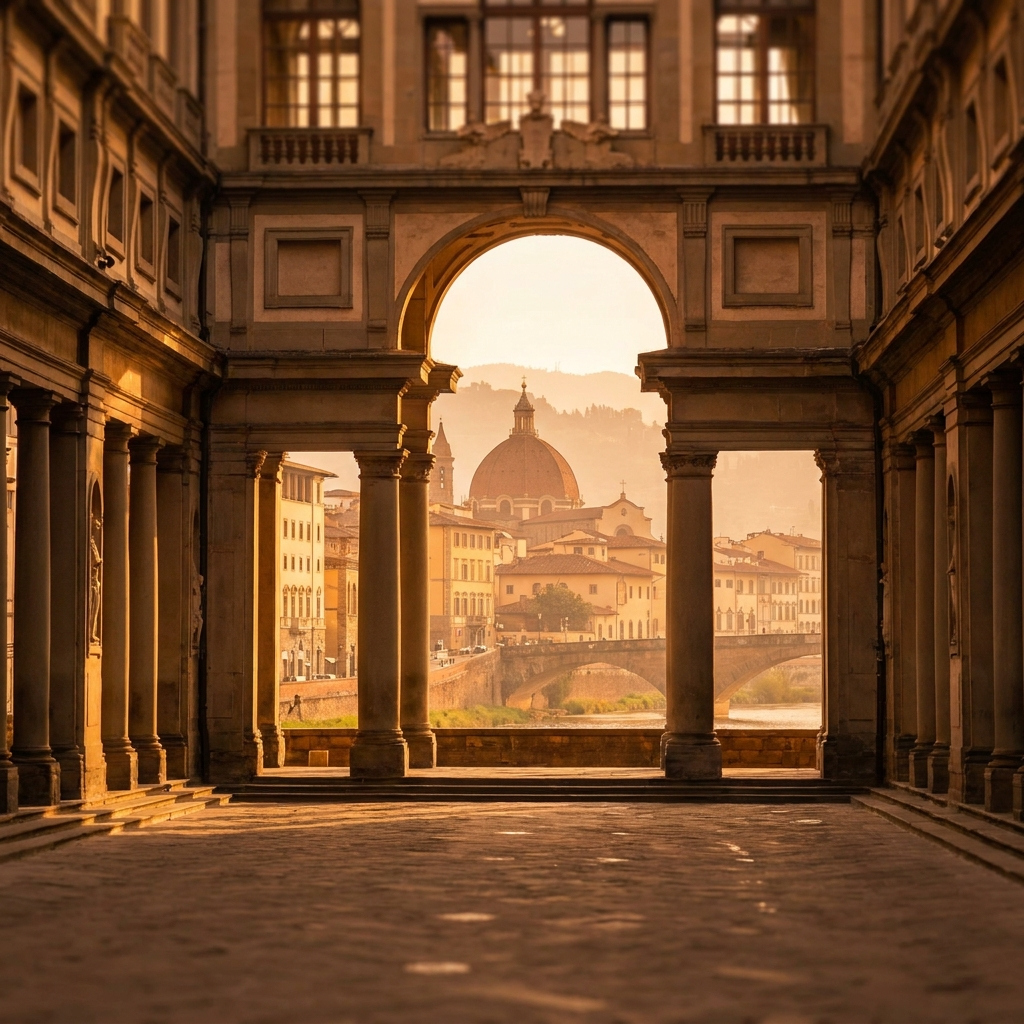
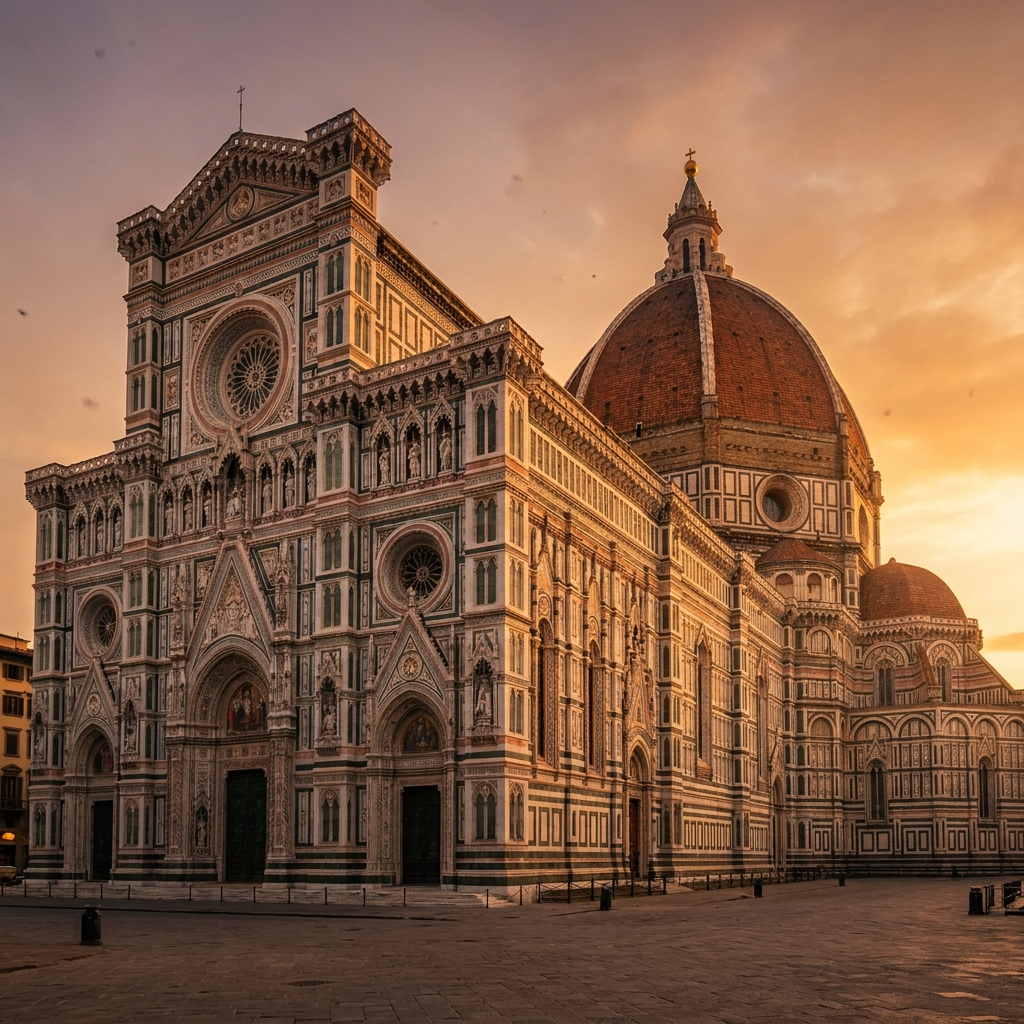
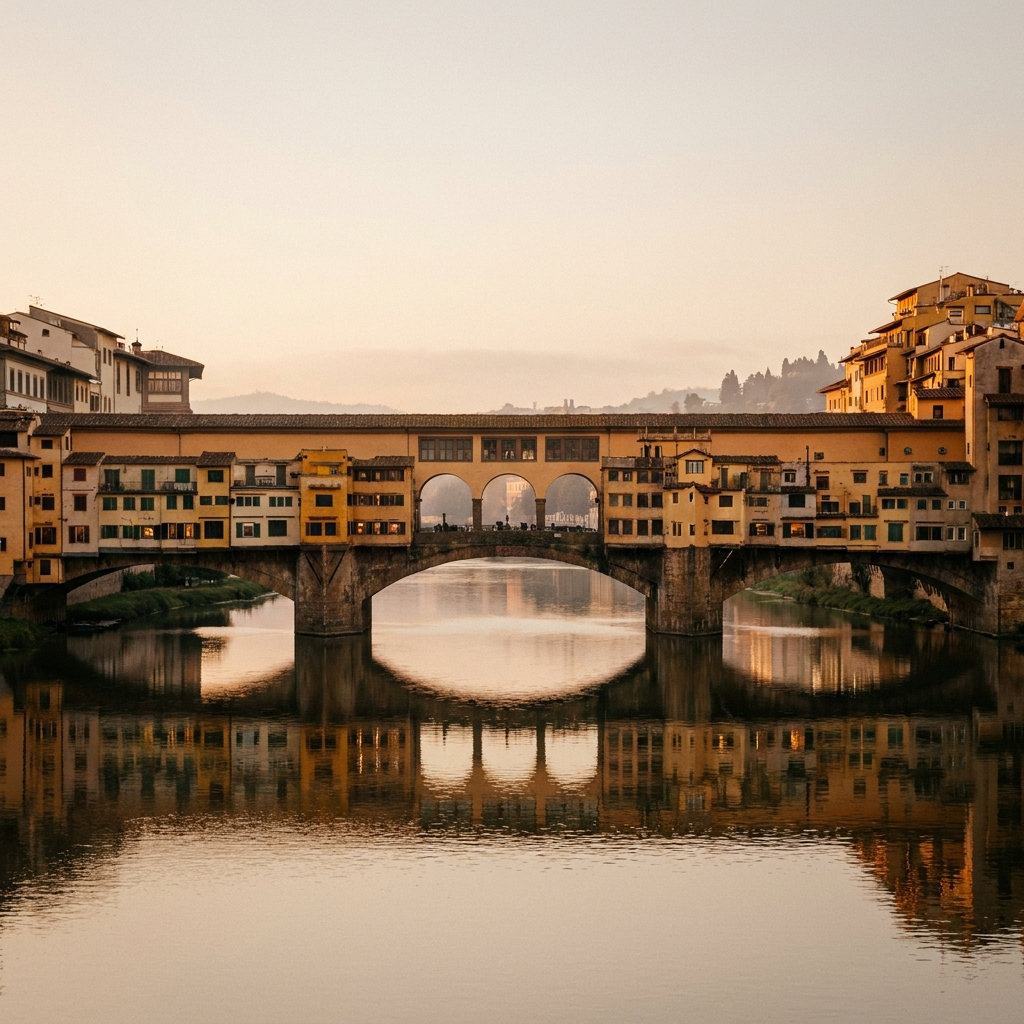
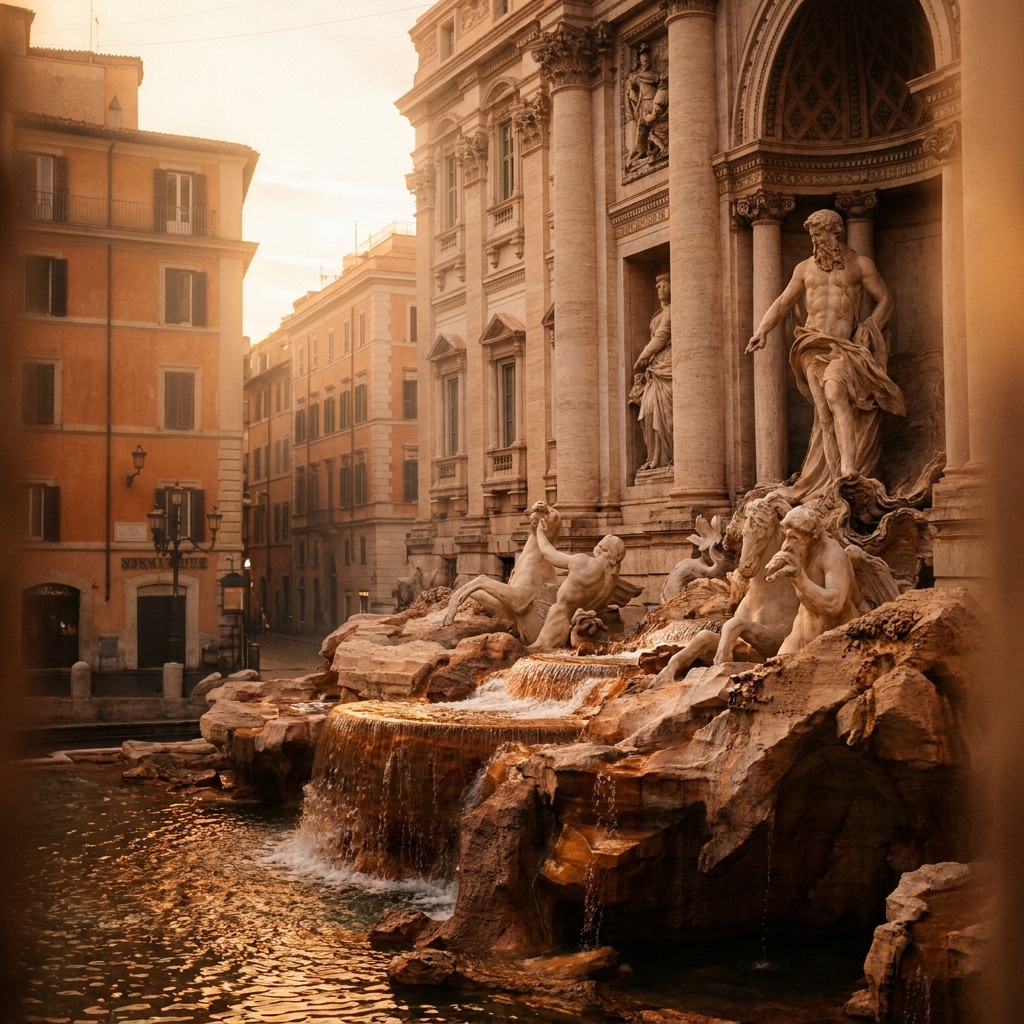
All three sit within walking distance or a short metro ride of Roma Termini.
Both operators run the same Direttissima track, but not quite the same timetable — Trenitalia's Frecciarossa is generally the faster, more frequent option, while Italo was Europe's first open-access challenger to a state railway, launching in 2012 and often pricing competitively. Fares on both shift constantly with demand.
Trenitalia's Frecciarossa 1000 (ETR1000) has carried most departures on this route since 2015, built jointly by Hitachi Rail and Alstom. Italo runs the Alstom AGV 575, the world's first commercial very-high-speed train built with distributed traction rather than separate power cars. Both trainsets are rated for 300 km/h.
Trenitalia's CartaFreccia and Italo's frequent-rider scheme offer perks for regular travelers, but on a single Florence–Rome trip the search widget above will usually find you a lower fare than any loyalty discount.
Trenitalia runs Standard through Executive; Italo runs Smart through Club. Line them up and both operators sell roughly the same four tiers — here's what changes at each step up, with live fares in the search widget above.
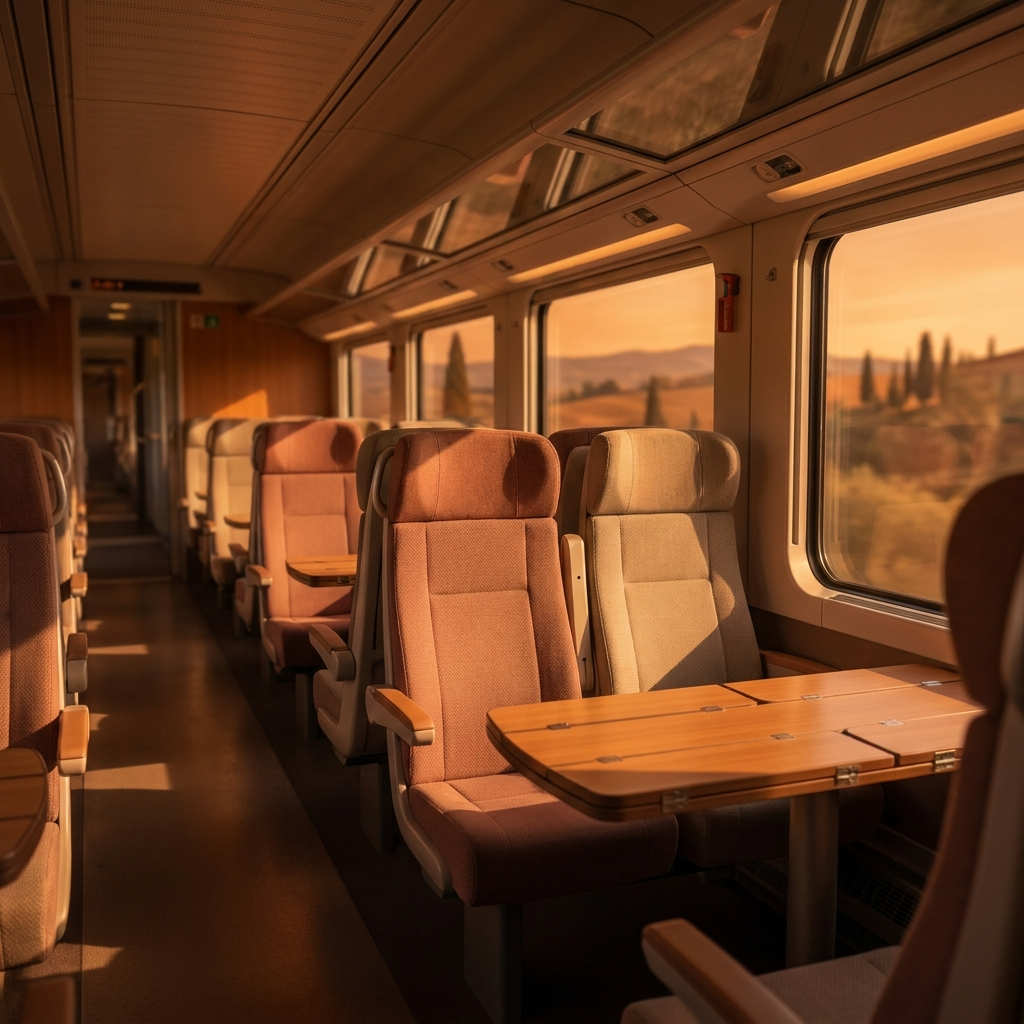
2-2 airline-style seating with a fold-down table, free WiFi and at-seat power in every carriage. A bar car or at-seat trolley covers snacks and drinks; luggage racks handle a carry-on or a large suitcase with no restrictions either way.
Check Standard fares →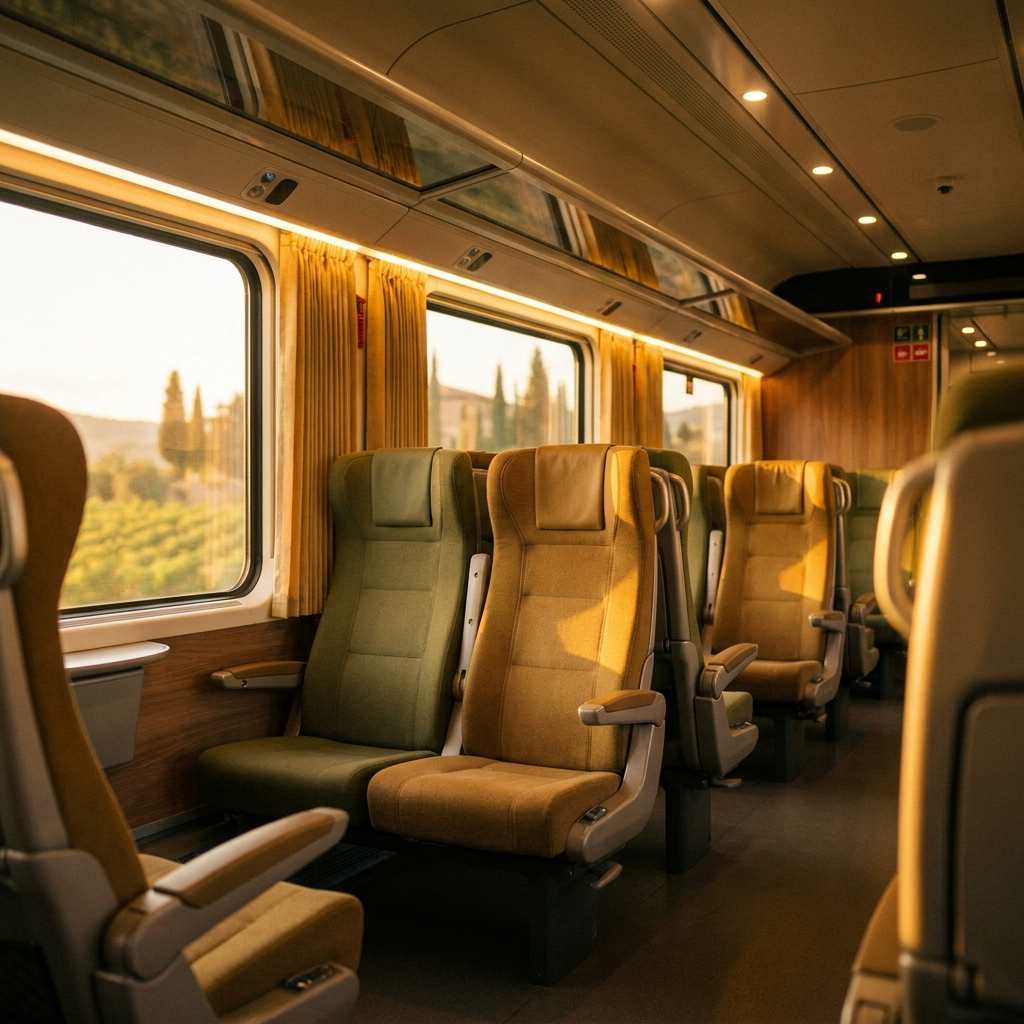
The same 2-2 layout as Standard, but with extra legroom and a wider recline — a modest step up in comfort without moving to a smaller, quieter cabin.
Check Premium fares →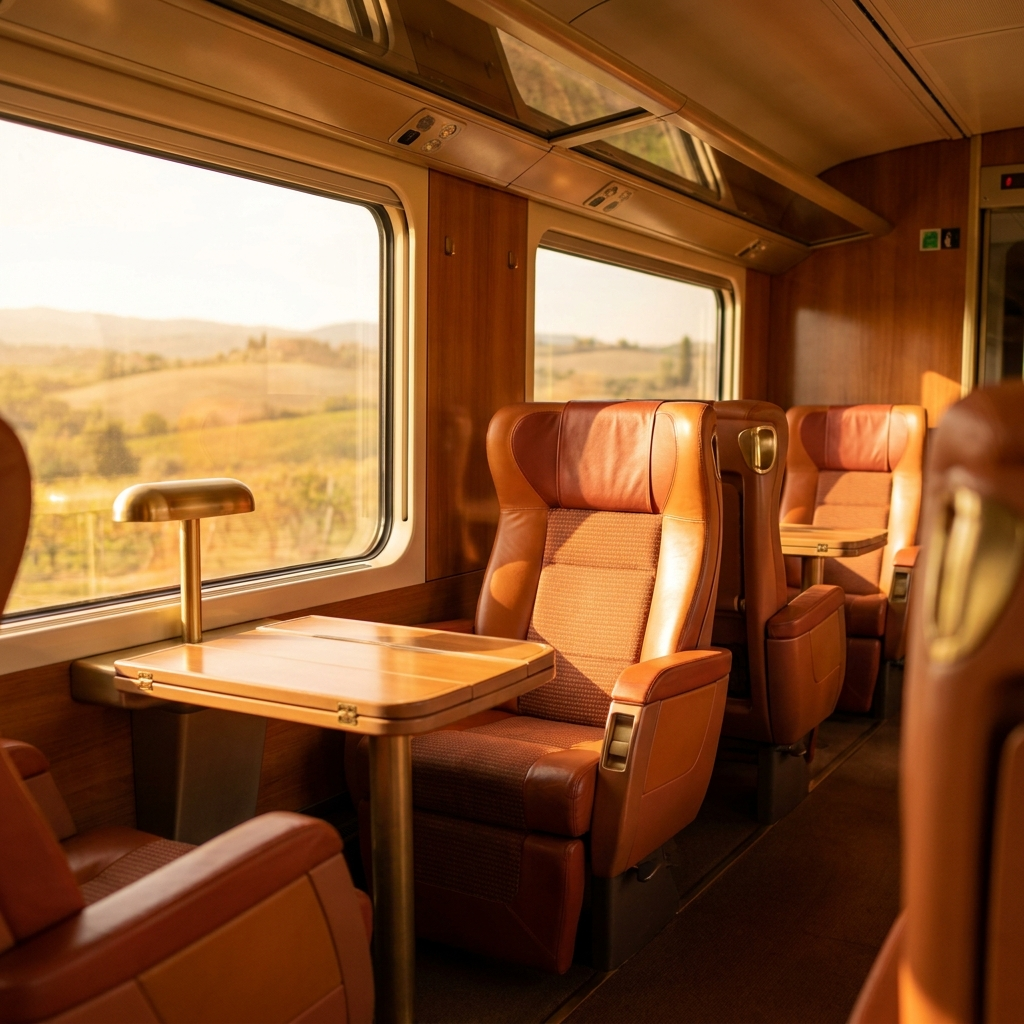
2-1 seating with more legroom and recline, complimentary at-seat food and drinks, priority boarding, and lounge access at the larger stations where each operator offers it.
Check Business fares →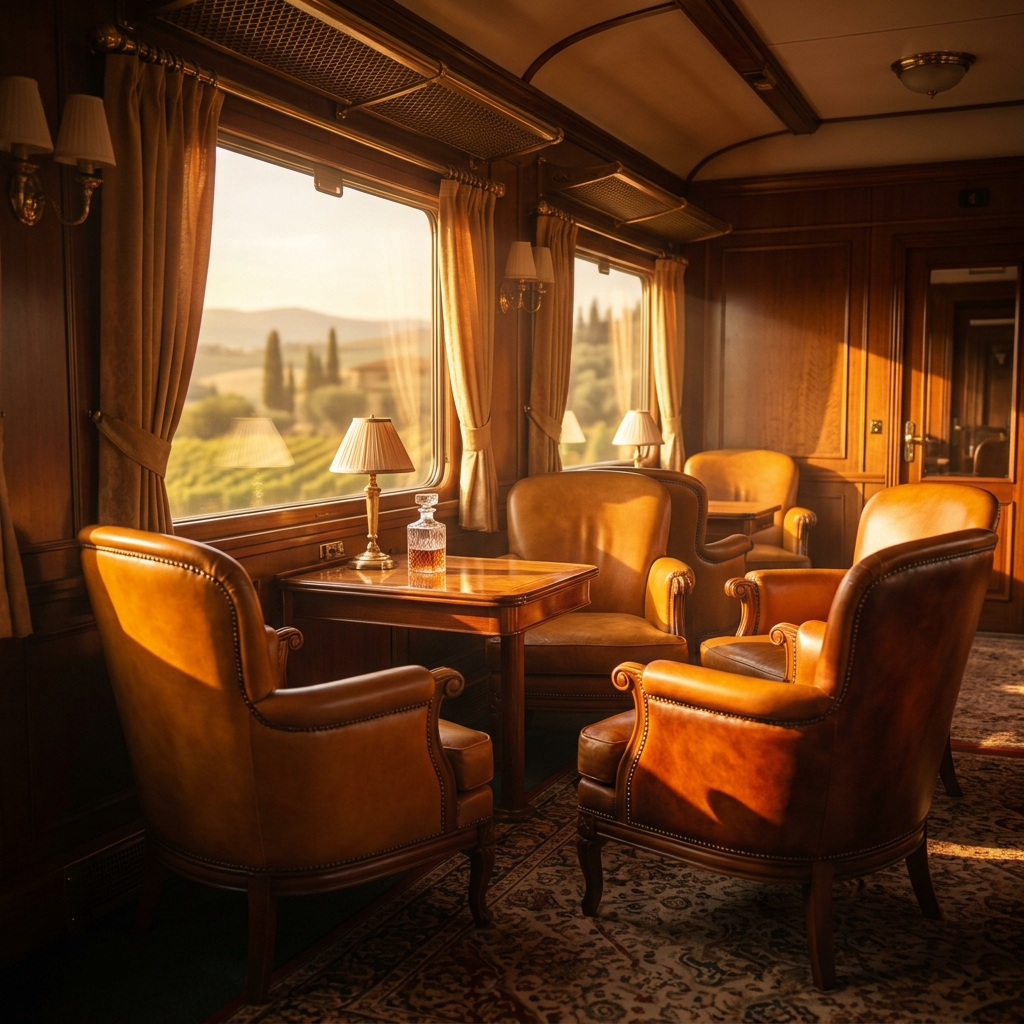
Italo's top Club Executive tier includes the option to book an entire private 4-seat Salotto compartment — the priciest way to travel this route, but useful for a family or small business group that wants the cabin to itself.
Check Executive Cabin fares →Trenitalia and Italo both build these into every fare on this route, from entry-level Standard and Smart on up — check the search widget above for what's added at each higher class.
Included in every class on both operators, even the entry-level Standard and Smart fares.
Keep a phone or laptop charged for the full 2h 6m ride, in any class.
Every seat gets one — enough room for a laptop or a plate from the bar car.
Snacks and drinks throughout the ride; Business/Executive tiers add complimentary at-seat food.
Overhead and end-of-carriage space for a carry-on or a large suitcase either way.
Located at the end of each car on both Frecciarossa and Italo trainsets.
Available in every class on Italo, and typically enforced in Trenitalia's Standard carriages too.
Every fare comes with an assigned seat, so there's no need to board early to claim one.
A little planning turns a good trip into a great one. Advance fares are released 90-120 days ahead and get pricier as popular departures sell out, so booking early is the single biggest lever on price.
Super Economy and Smart fares start from around €14.90, a fraction of a walk-up fare — but they're tied to a specific train and usually non-refundable.
Trenitalia is generally faster and more frequent, but Italo often prices competitively — whichever has cheaper availability for your exact time can flip from day to day, so check both in the widget above.
Most trains arrive at Termini, but some also call at Tiburtina — check which is closer to where you're actually headed before you book.
Trenitalia's CartaFreccia and Italo's frequent-rider scheme offer perks for regular travellers, but on a single trip the search widget above usually finds a lower price anyway.
At around 2 hours 6 minutes each way, yes — plenty of travelers base themselves in one city and day-trip to the other. Here's roughly how the day breaks down.
Early train out of Santa Maria Novella — the earlier you go, the more time you get at the other end.
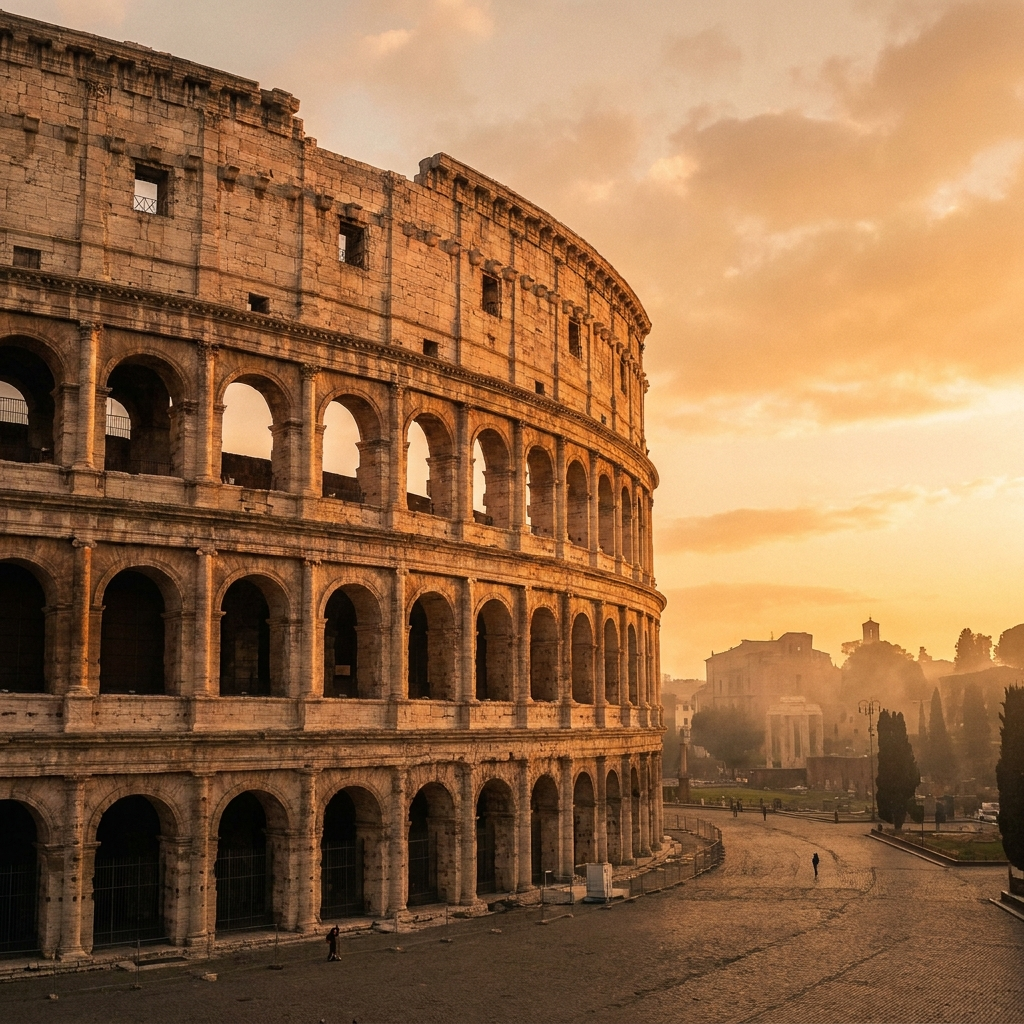
Arrive Roma Termini, drop bags in a station locker, and start with the Colosseum before the midday crowds.
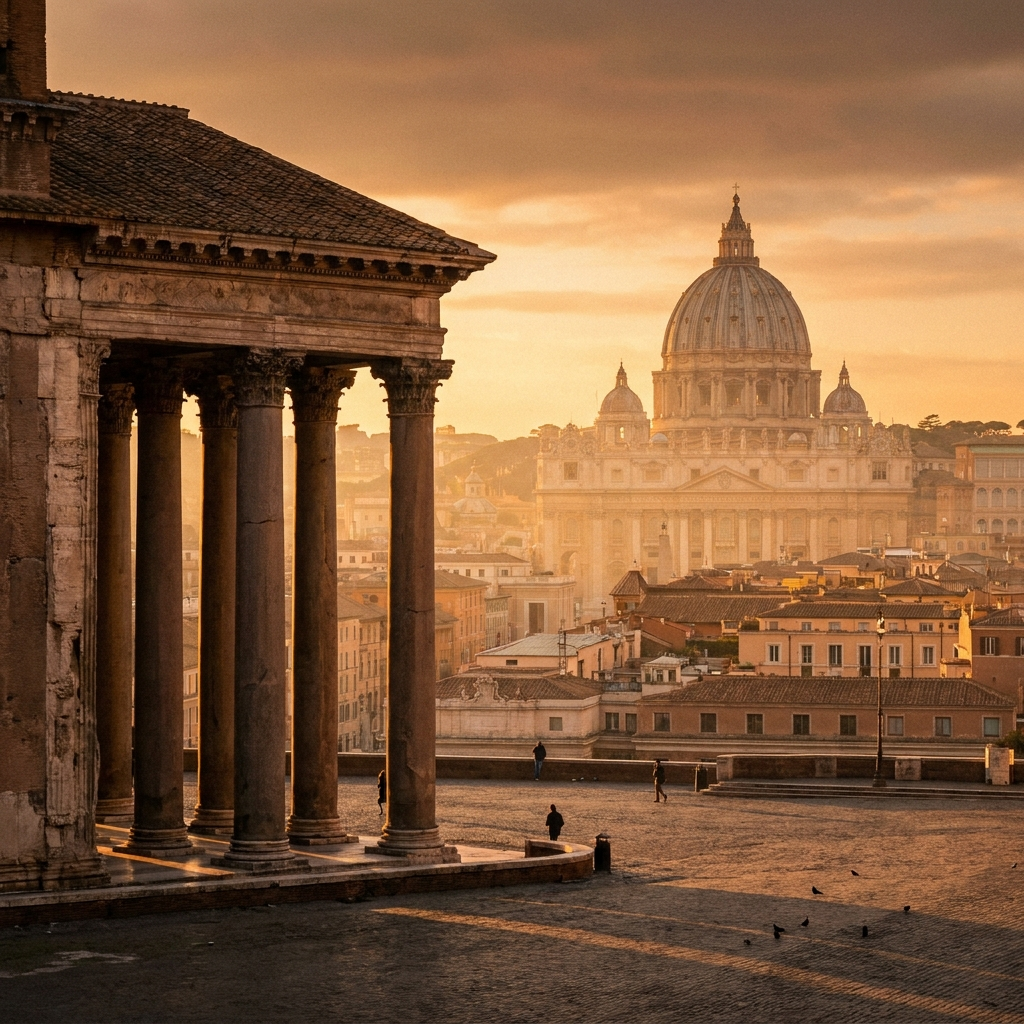
Afternoon free for the Pantheon, Trevi Fountain or a long lunch in Trastevere.
Evening train back — both operators run services into the late evening most days.
This site exists to help you pick the right train, not to push you toward one operator over another.
We're not owned by Trenitalia or Italo — every option on this route, including flying and driving, is covered honestly.
Bookings are handled by High-Speed Trains, an established independent rail-ticketing service.
Payment and personal details are handled entirely by the operator's own secure checkout.
Booking windows, the right Rome station, luggage rules — the details that actually affect your trip.
Everything about times, fares, stations and history on the Direttissima — the short version.
Nonstop Frecciarossa and Italo services cover the 231 km Direttissima line in around 2 hours 6 minutes.
It's 231 km (about 143 miles) from Firenze Santa Maria Novella to Roma Termini via the Direttissima, a high-speed line engineered to run almost dead straight through the hills of Tuscany, Umbria and Lazio.
Trains depart from Firenze Santa Maria Novella, Florence's central terminus a short walk from the Duomo, and arrive at Roma Termini, Rome's main hub. Some services also call at Roma Tiburtina, worth checking if your final destination is on that side of the city.
Both operators sell their lowest fares 90-120 days ahead: Trenitalia's Super Economy and Italo's Smart fares start from around €14.90-19.90 one way. Prices climb steadily as the departure date approaches and the train fills up.
Yes. Around 27 combined Frecciarossa, Frecciargento and Italo departures run nonstop each day on the Direttissima, with no changes required.
No. The trip is short enough — under an hour and a half nonstop — that Italy doesn't run a sleeper service on this corridor. Early-morning and late-evening departures cover most schedules instead.
Both run the same Direttissima track, but Trenitalia's Frecciarossa is generally faster and more frequent, while Italo (NTV) — Europe's first open-access high-speed challenger — often prices competitively. It's worth comparing both for your travel date via the search widget above.
On a roughly 90-minute journey the upgrade matters less than on a longer trip — extra seat width and at-seat service are pleasant, but Standard or Smart Economy is comfortable for most travelers.
Both Trenitalia and Italo release their cheapest fares 90-120 days before travel, rising steadily as the departure date nears and seats fill.
For most travelers, yes. Santa Maria Novella and Termini both sit in the historic center, so there's no airport transfer to factor in. Driving the same route typically takes 2.5-3 hours depending on traffic around Rome.
Eurail and Interrail passes are accepted, but Frecciarossa and Italo high-speed services still require a separate seat reservation on top of the pass, so a pass rarely saves money on a single Florence to Rome trip.
Yes. Both Firenze Santa Maria Novella and Roma Termini have staffed or self-service luggage storage, useful if you're doing the round trip as a single day out.
Both operators offer compensation for delays over 60 minutes, claimable through the operator's app or website using your ticket number.
The Direttissima runs year-round with minimal weather disruption. The busiest periods are Easter, summer (June to August) and the Christmas holidays, when the cheapest advance fares sell out fastest.
Frecciarossa and Italo both allow folded bikes as standard luggage. A full-size bike usually needs a dedicated space booked in advance and isn't guaranteed on every service.
Compare Trenitalia and Italo times and fares in one search, then book directly with our booking partner.
Search trains now